Do We Have a Second Heart? Interesting Discovery in Human Anatomy
This video covers two separate findings: the 2023 discovery of SLYM, a possible fourth meningeal layer managing brain fluid transport and immune defense, and newer research on the calf muscles acting as a 'second heart.' The core focus is on how calf muscle contractions mechanically pump venous blood back to the heart, boosting cardiac preload, and how a specific exercise called the soleus push-up can sharply lower blood glucose spikes. Large mortality studies link impaired calf pump function to significantly higher death rates, and researchers are now exploring devices to replicate this pumping action for people with limited mobility. It matters because it reframes everyday leg movement as directly tied to cardiac output and metabolic health, not just muscle activity.
[00:43] SLYM, a possible fourth meningeal layer discovered in 2023, is described as managing fluid transport and immune defense in the brain
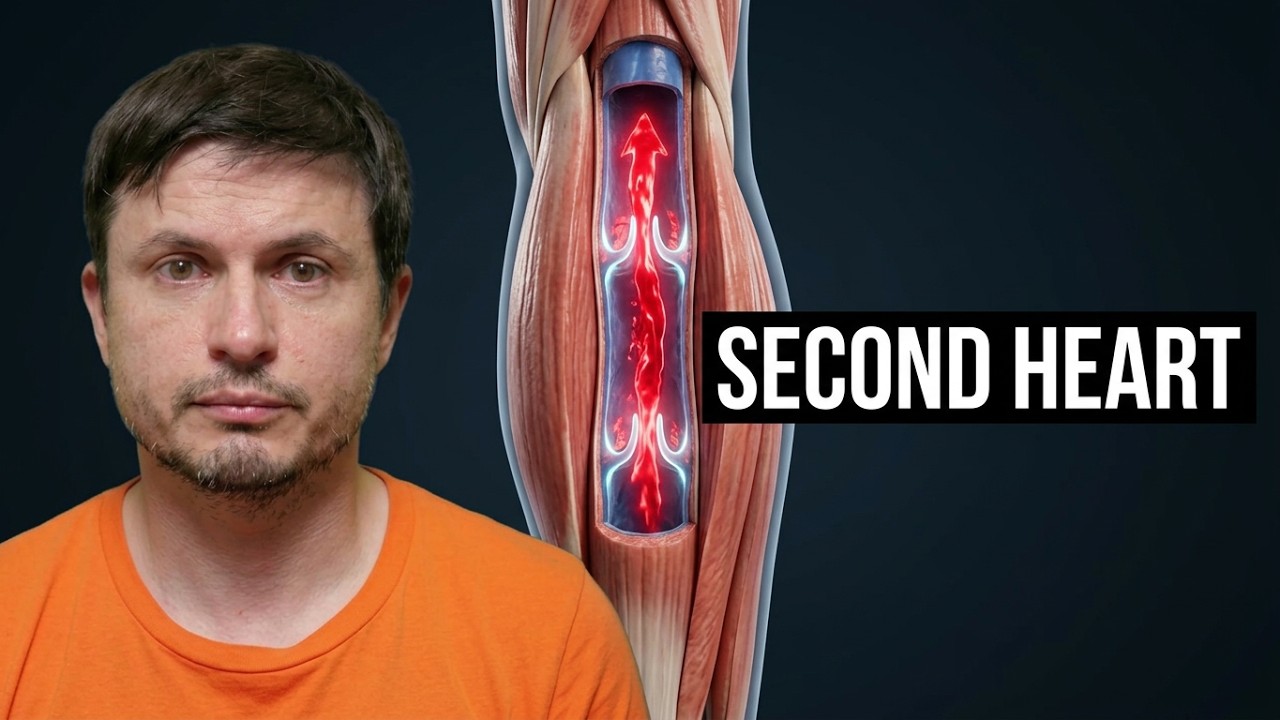
- [01:23] Researchers now refer to the calf-muscle pumping mechanism as 'the second heart'
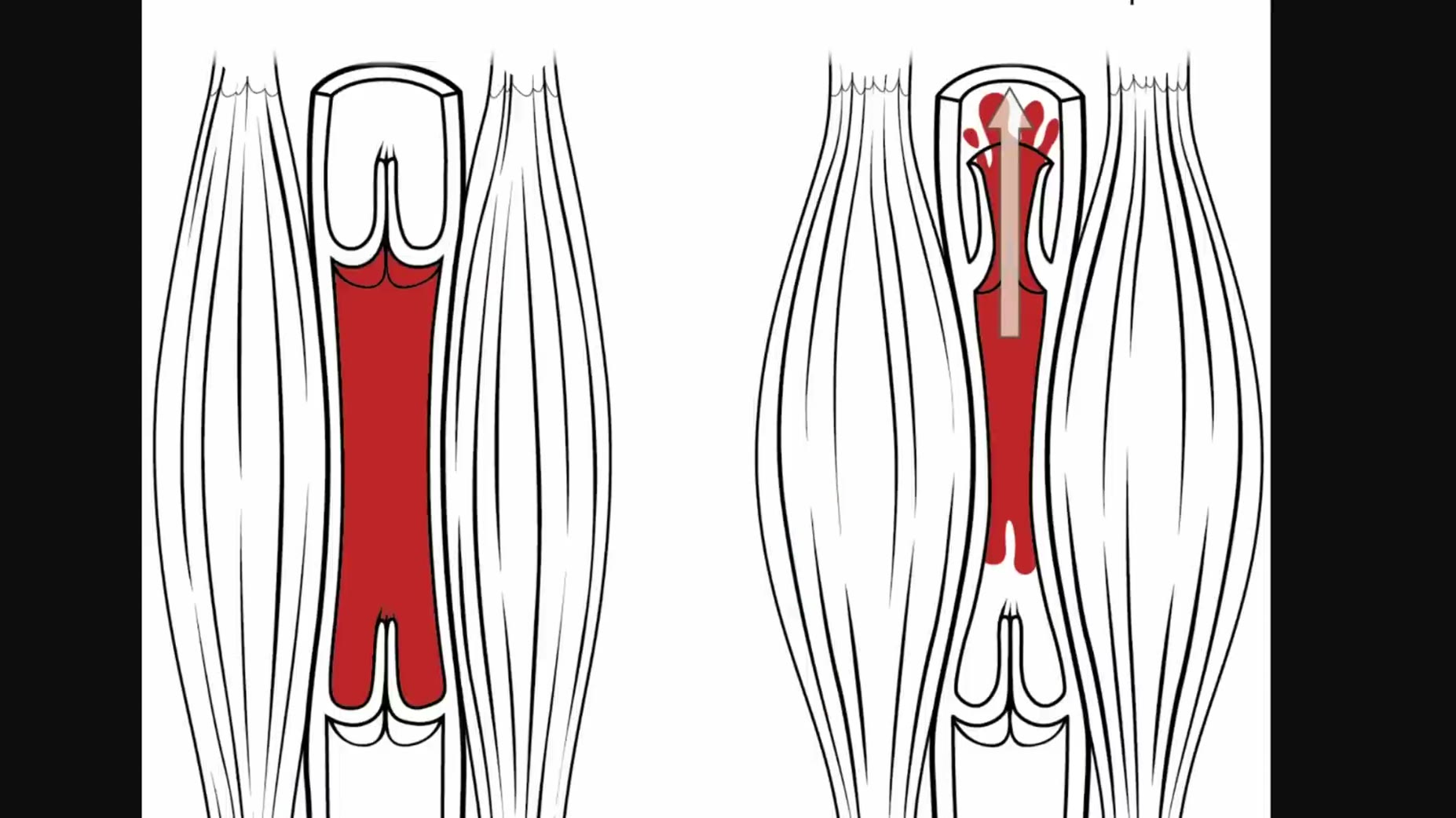
- [03:21] Calf muscles expand and squeeze the leg vein to mechanically force blood upward, with a one-way venous valve preventing backflow when the muscle relaxes
- [04:06] This creates extra blood volume returning to the heart before the next beat, a phenomenon called cardiac preload that directly supports cardiac output
- [04:58] When the calf muscle stays inactive, blood pools in the lower legs and can form a deadly clot known as deep vein thrombosis
+ 7 more takeaways
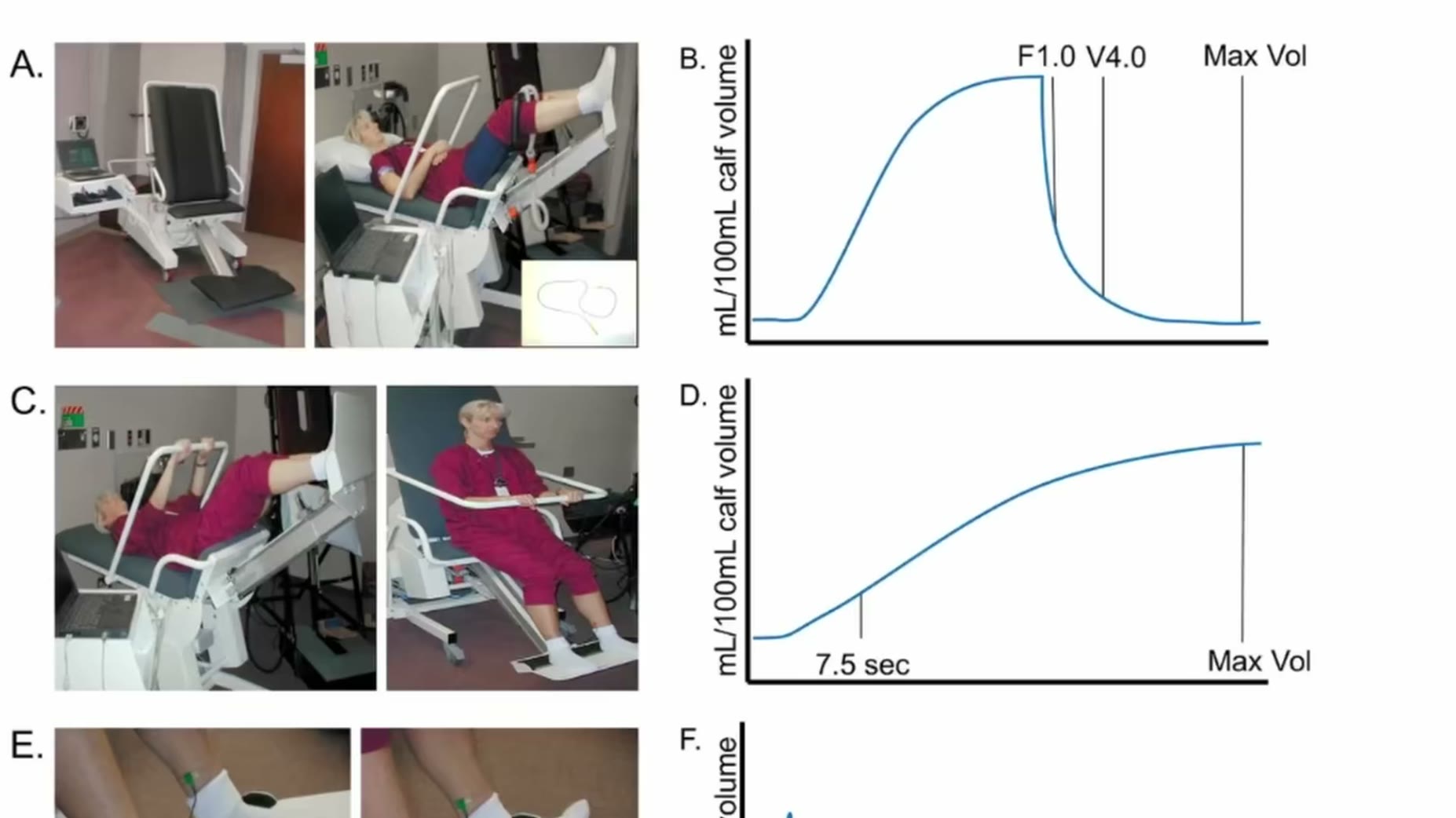
- [05:50] Halker and colleagues' 2020 study of 2,700 patients used venous plethysmography to measure blood motion effectiveness in the body
- [06:20] Over 10 years, mortality was about 17.5% for patients with impaired calf pump movement versus 5.9% for others, rising to about 22.8% at 15 years
- [07:51] Dr. Mark Hamilton's 2022 University of Houston study on the soleus muscle found a method to magnify soleus oxidative metabolism that improves glucose and lipid regulation
- [08:01] The soleus muscle is about 1% of body weight but is roughly 88% slow-twitch oxidative fibers, unusual for skeletal muscle
- [09:39] After an oral glucose test, the soleus push-up reduced blood glucose spike levels by about 50%
- [10:12] A follow-up pilot study of 10 prediabetic individuals found the soleus push-up can be done at home and reduces blood glucose by at least 32%
- [11:10] Scientists and bioengineers are trying to develop a calf-attached device to simulate artificial muscle contractions for people with mobility issues