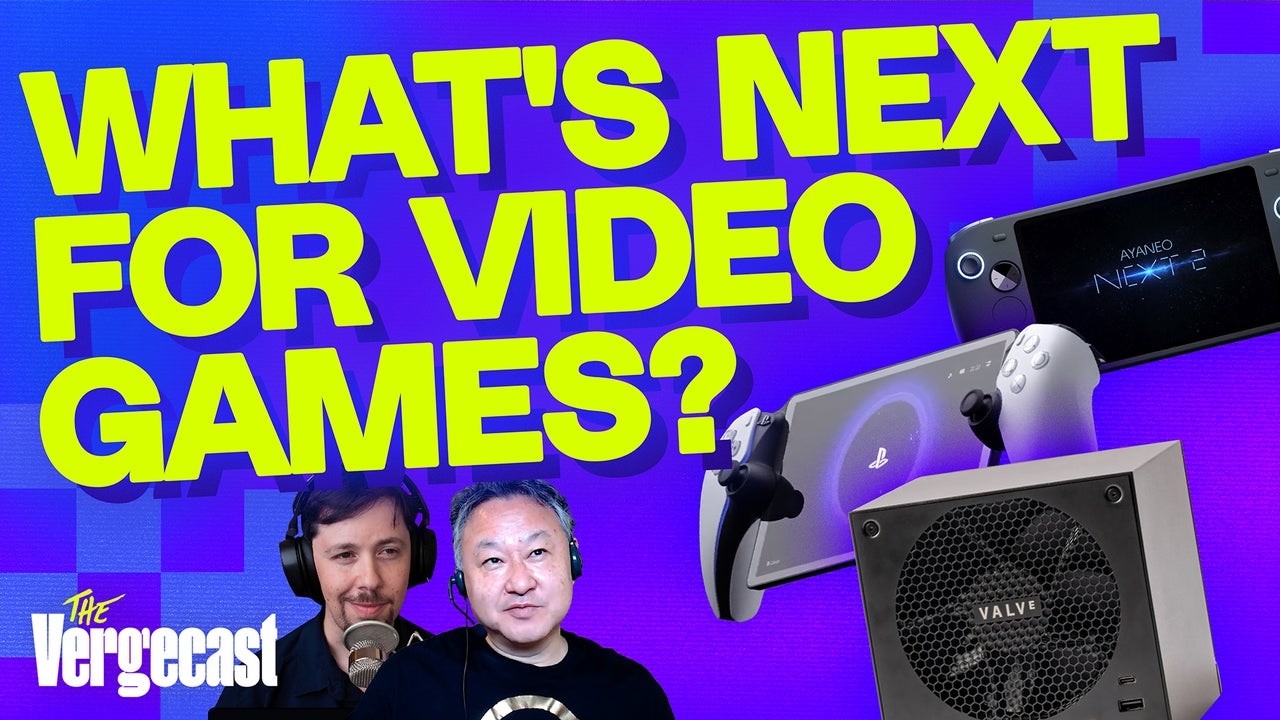
Shuhei Yoshida on the future of gaming | The Vergecast
This is an episode of The Vergecast where host Sean Hollister interviews Shuhei Yoshida, a 31-year Sony veteran who worked on the original PlayStation and produced PlayStation games, about where gaming hardware and business models are heading. Much of the conversation centers on AI's growing role in game development and QA, Nintendo's Switch succeeding by merging console and portable into one platform, and Sony's history of keeping console, VR, and portable as separate businesses with finite studio budgets. A recurring tension runs through the discussion between platform-side thinking that favors broad access and hybrid flexibility (Switch, PC ports, mobile) and power- or exclusivity-driven models (traditional consoles, VR, cloud servers), including open questions about whether cloud gaming server costs are actually justified and whether more hardware power is even in demand. The speakers do not resolve which direction wins out.
Sean Hollister hosts The Vergecast and interviews Shuhei Yoshida, who worked on the original PlayStation and produced PlayStation games for decades, about the future of gaming. [00:08]
- Yoshida said he spent 31 years at Sony. [02:43]
- Yoshida said that for roughly the last 20 to 30 years, almost every year more people have been playing games across more devices worldwide, attributing this to digital distribution and tools like Unity and AI enabling more people to become game creators. [02:56]
- Yoshida said he has artist friends who can now make games by themselves using AI coding, calling it great news for gamers but potentially a challenging time for creators trying to make a living. [04:04]
- A speaker said the AI chat server for a character-based AI chat game licensed from Koei Tecmo (Ryza) nearly shut down at launch due to overwhelming player connections. [06:38]
+ 36 more takeaways
- A speaker said the main complaint about these AI chat games is heavy charges, since users must pay for credits to have more conversations. [06:50]
- A speaker said there is strong stigma against AI among gamers, and many game developers at GDC would not admit to using AI tools unless promised anonymity. [07:15]
- A speaker said an indie developer and creative lead described managing eight AI agents and said that in the future he may invest in tokens instead of hiring new people. [08:39]
- A speaker said a game designer previously limited by his own programming ability now uses an AI programmer partner and expects to release two games a year. [09:53]
- A speaker said testers used to have to physically walk every level's edges to check for wall, stair, and floor clipping bugs. [10:35]
- A speaker said that clipping-bug testing is now done automatically by AI 24/7, including while people are sleeping. [10:59]
- A speaker said no one complains about AI tools that expedite development or QA, unlike AI used to create new art or design, which the speaker said currently shows poor results, drawing a contrast between the two uses of AI. [12:05]
- A speaker said people can still tell AI-generated videos apart from real ones, but added that this is only true for now. [12:26]
- A speaker predicted people will accept AI use in games once companies clearly communicate which areas use AI and which do not, because it is reality, though no further evidence was given for the prediction. [12:41]
- A speaker said, citing Nintendo, that the Switch is about to surpass the PlayStation 2 as the best selling console of all time and that the Switch 2 is the fastest selling console of all time. [13:11]
- A speaker said the Switch and Switch 2 are popular because they are a hybrid portable and console device, arguing that if the Switch were portable only like the Switch Lite, its audience would be much smaller. [13:22]
- A speaker said their current favorite gaming device is the Steam Machine, which costs about $1,500, a price they justified as research since they still work in the video game industry. [14:36]
- Yoshida recalled someone saying selling games on PC was 'almost like printing money,' and estimated PlayStation made about a billion dollars from PC ports. [17:44]
- A speaker said managing two platforms at once, such as console and portable or VR, is very hard because studios and annual budget are finite and must be divided. [22:01]
- A speaker said PSVR ran on the same PS4 architecture but still required games to be uniquely made for PSVR, adding dedicated resource needs. [22:37]
- A speaker said the console was ultimately Sony's biggest business, so the company had to prioritize the console side over VR and portable, illustrating the tension between platform breadth and console-first priorities. [23:08]
- A speaker credited Nintendo Switch's success to merging console and portable into one platform so all games work on both, letting Nintendo dedicate all studio resources and budget to a single platform. [24:02]
- A speaker said they don't think lots of people or developers are asking for more hardware power, a view that runs counter to traditional console-generation power races. [27:37]
- A speaker predicted the current console generation, meaning Sony and Nintendo, will do well for many years to come. [27:50]
- A speaker described Xbox as wanting to change the competing landscape, calling it 'their time to play,' with next year expected to be exciting. [28:02]
- A speaker said Sony has stated that thin client devices like the PlayStation Portal are interesting and that Sony may do more with that space, tied to PS Plus Premium cloud streaming. [32:11]
- A speaker asked a former Eternal Studios budget-greenlighting executive whether they had seen cloud games that actually justify server costs by doing things never done before. [32:28]
- The respondent said they had heard of teams assembled to build such cloud-justifying games but had never seen one that actually delivered on that promise, leaving the question open rather than resolved. [32:50]
- The respondent said that at Sony, hardware and R&D teams pushed studios to make games that use cloud servers, and their reaction was to ask who would pay for the server, electricity, and internet costs. [33:08]
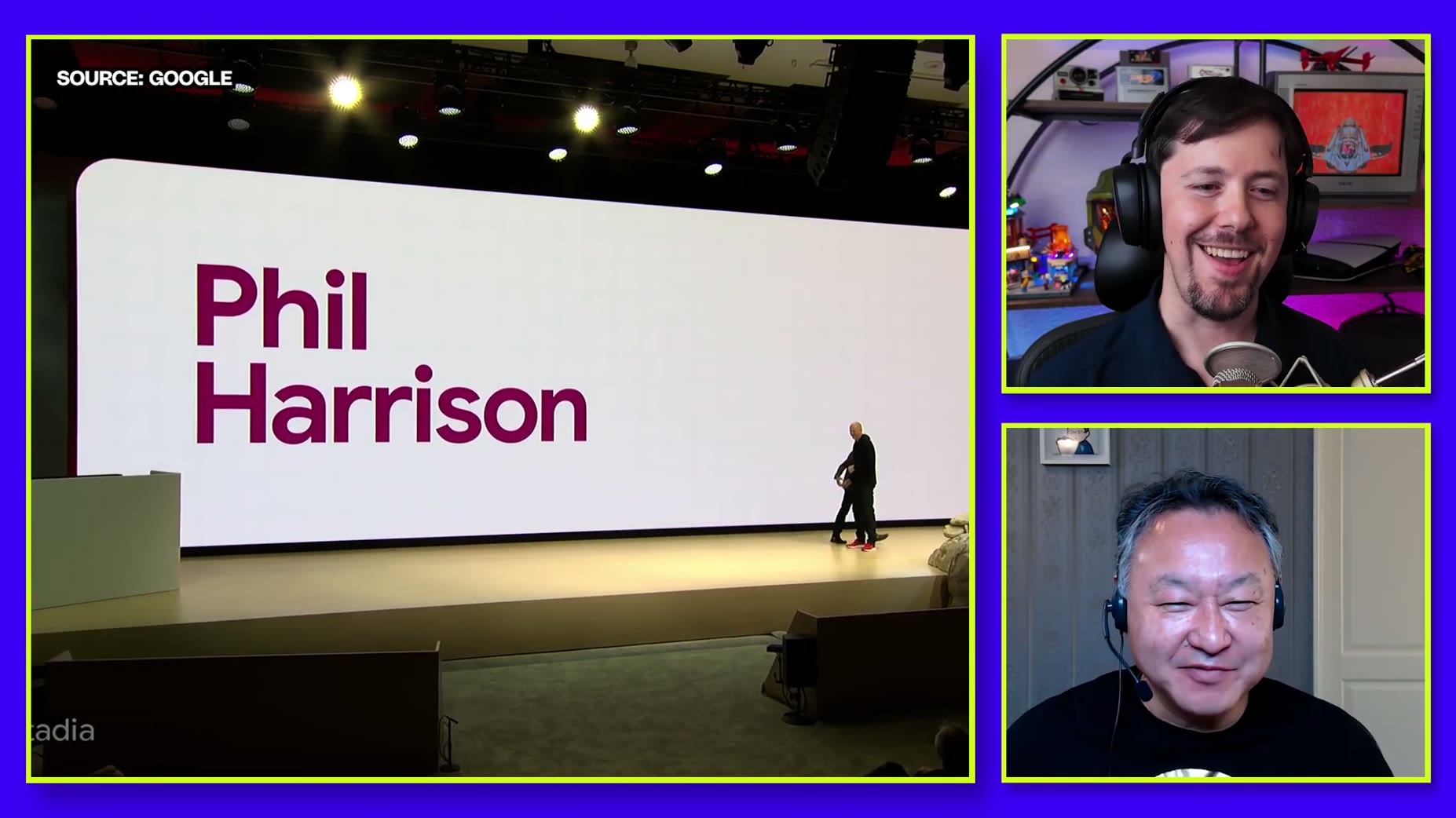
- Archival footage showed Phil Harrison presenting at a Google keynote announcing Google Stadia and claiming certain games were only possible using the power of servers. [34:13]
- A speaker wondered if an inflection point is coming as AI and cloud GPU buildouts age out, potentially changing cloud gaming economics, especially with $1,000 consoles, though this was framed as an open question rather than a conclusion. [34:34]
- A speaker said the idea of moving game development focus to mobile happened about 10 years ago when mobile became a large part of the gaming market, but almost all companies that moved from console or PC to mobile came back to console or PC. [36:48]
- A speaker said new games from China and Korea, such as Genshin Impact from miHoYo, are designed for mobile but also work on PC and console and are extremely popular. [37:25]
- A speaker called Grand Theft Auto 6 the biggest game in many years, describing it as a 'singularity' in the industry that other companies avoid releasing games near. [41:24]
- Yoshida quoted his own tweet from account @yosp, posted 7:38PM on Oct 17, 2025 with 499.5K views, reading 'This is Xbox! (is actually a PC) :)' [16:24]
- In a separate opening news segment, two June smart oven owners started 'Project July,' which lets a June oven run its own server after Weber removed cloud features like live camera view. [01:25]
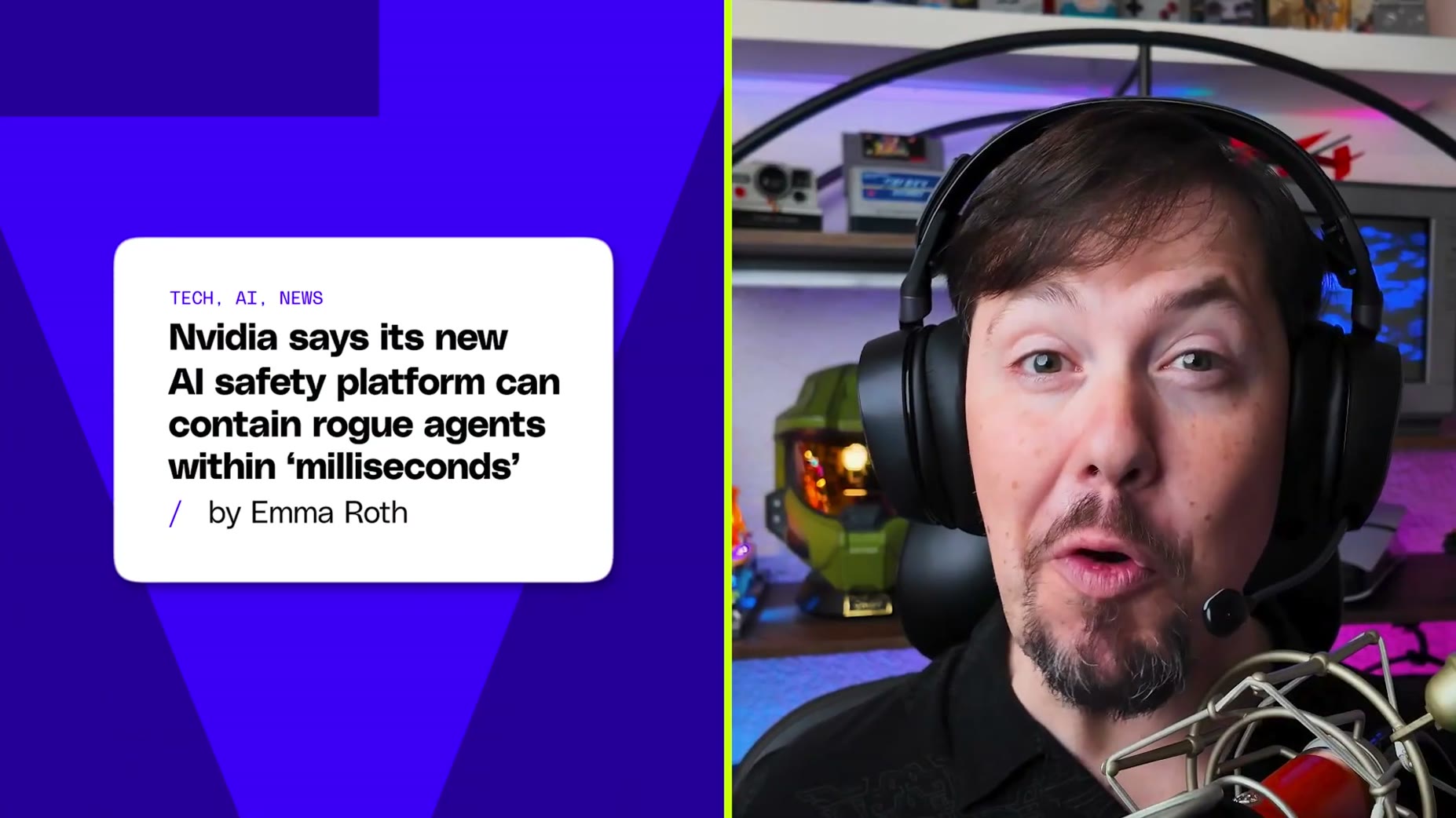
- In the same opening news segment, Nvidia announced the Open Agent Safety Platform, a sandbox it claims can quarantine rogue AI agents within milliseconds, which Nvidia says is open source and does not require Nvidia's latest CPUs. [01:37]
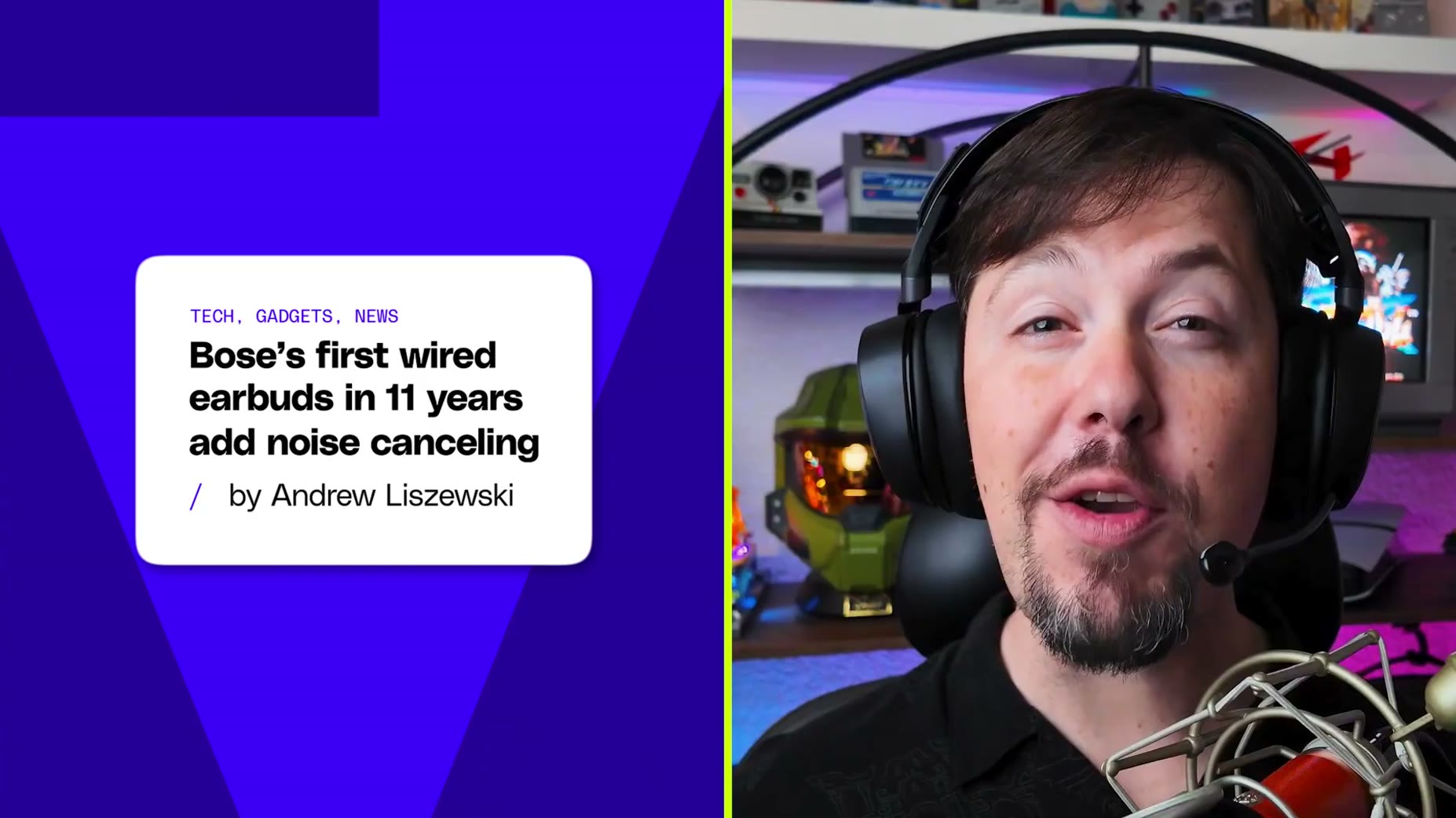
- Also in the opening news segment, Bose is making wired earbuds again for the first time in 11 years, priced at $99 with two microphones per earbud for noise cancelling and transparency modes. [02:08]
- But because of that stigma, I'm curious, as a thought exercise, imagine that you are still in a position where you have a $500 million budget at a big company to decide what games get greenlit.
- You know, if it's over $1,000 hardware price and it comes with, you know, basically the services, so maybe $300 a year or $400 a year.
- When you buy Xbox Live for $200 a year, we'll give you a box if you keep paying for it like a phone every month for 24 months, you know?
This is Xbox! (is actually a PC) :) - Shuhei Yoshida (@yosp), 7:38 PM · Oct 17, 2025 · 499.5K Views
Either nature is healing or this is a recession indicator. I'm not sure. - burkellium, subscriber, 4 hours ago
How this brief was shaped: Discourse (interview / podcast / video essay) · confidence High
Transcript is Sean Hollister interviewing former Sony exec Shuhei Yoshida on the Vergecast podcast, with back-and-forth exchanges about PlayStation history and the future of gaming, and OCR shows B-roll game promo clips (Ryza, Horizon Zero Dawn, Wolverine) cut in during the talking-head conversation, consistent with a podcast interview rather than a procedural or product-review format.
The lens sets this brief's structure, never its facts — every claim is held to the same citation and fact-check standard.